


Modular Kitchen Materials Explained
Modular Kitchen Materials Explained: A Complete Guide to Choosing the Right Material
A modular kitchen is a long-term investment, and selecting the right material is one of the most important decisions in the entire design process. The durability, appearance, maintenance, and overall cost of your kitchen largely depend on the materials used for cabinets, shutters, countertops, and hardware. Understanding the features of different modular kitchen materials helps homeowners make an informed choice based on their budget, lifestyle, and design preferences. Modular Kitchen Materials Explained
Why Kitchen Material Selection Matters
The kitchen is one of the busiest spaces in every home. Daily exposure to moisture, heat, oil, and heavy usage makes it essential to choose materials that are strong, durable, and easy to maintain. High-quality materials not only increase the life of your modular kitchen but also enhance its beauty and functionality.
Plywood
Plywood is one of the most popular materials for modular kitchen cabinets. It is manufactured by bonding multiple layers of wood veneer together under high pressure.
Advantages:
Highly durable and strong
Excellent moisture resistance when using BWP or Marine Grade plywood
Long lifespan
Ideal for Indian kitchens
Best For: Premium modular kitchens and long-term use.
MDF (Medium Density Fiberboard)
MDF is an engineered wood product made from fine wood fibers bonded with resin.
Advantages:
Smooth surface for painted finishes
Affordable
Easy to machine into decorative designs
Limitations:
Less resistant to moisture than plywood
Not recommended for areas with constant water exposure
Best For: Budget-friendly kitchens with decorative shutters.
HDF (High Density Fiberboard)
HDF is denser and stronger than MDF and provides better durability.
Advantages:
Smooth finish
Better strength
Suitable for painted and membrane finishes
Best For: Modern kitchens requiring stylish cabinet shutters.
Particle Board
Particle board is made from compressed wood particles and resin. Modular Kitchen Materials Explained
Advantages:
Economical
Lightweight
Suitable for low-budget projects
Limitations:
Lower durability
Poor water resistance
Shorter lifespan
Best For: Rental properties and temporary kitchen solutions.
Stainless Steel
Stainless steel modular kitchens are widely used in commercial kitchens but are increasingly becoming popular in modern homes.
Advantages:
Waterproof
Fire-resistant
Hygienic
Rust-resistant
Easy to clean
Best For: Contemporary homes and heavy-duty kitchens.
Acrylic Finish
Acrylic is a premium glossy finish applied to kitchen shutters.
Advantages:
High-gloss luxury appearance
UV resistant
Scratch resistant
Easy to clean
Best For: Modern luxury modular kitchens.
Laminate Finish
Laminate remains one of the most widely used finishes due to its affordability and versatility.
Advantages:
Available in hundreds of colors and textures
Scratch resistant
Budget friendly
Low maintenance
Best For: Most residential modular kitchens.
Membrane Finish
Membrane shutters are made by vacuum pressing PVC foil over MDF or HDF boards.
Advantages:
Seamless finish
Attractive designs
Moisture resistant
Affordable
Best For: Contemporary homes with elegant interiors.
Veneer Finish
Wood veneer offers the beauty of natural wood while reducing overall cost compared to solid wood.
Advantages:
Premium appearance
Natural wood grain
Elegant finish
Limitations:
Requires periodic polishing
Slightly higher maintenance
Best For: Luxury and classic modular kitchens.
Glass Finish
Glass shutters create a stylish and spacious look.
Advantages:
Elegant appearance
Easy cleaning
Available in frosted, tinted, and lacquered options
Best For: Modern and minimalist kitchens.
Quartz Countertop
Quartz is one of the most durable countertop materials available.
Advantages:
Non-porous
Scratch resistant
Stain resistant
Low maintenance
Best For: Busy family kitchens.
Granite Countertop
Granite continues to be one of the most preferred kitchen countertop materials.
Advantages:
Natural stone beauty
Heat resistant
Long-lasting
Strong and durable
Best For: Indian cooking environments.
Hardware Matters Too
Even the best cabinet materials require premium hardware for smooth operation. Modular Kitchen Materials Explained Soft-close hinges, tandem drawers, lift-up systems, and organizers significantly improve convenience and durability. Choosing quality hardware ensures years of trouble-free performance.
Which Material Should You Choose?
The right material depends on your budget and requirements.
Premium Kitchen: Marine Plywood + Acrylic Finish + Quartz Countertop
Mid-Range Kitchen: BWP Plywood + Laminate Finish + Granite Countertop
Budget Kitchen: MDF + Laminate Finish + Granite Countertop
For Indian homes, BWP or Marine Grade plywood combined with high-quality laminate or acrylic shutters offers an excellent balance of durability, aesthetics, and value for money.
Conclusion
Selecting the right modular kitchen materials is essential for creating a kitchen that is beautiful, durable, and practical. From plywood and MDF to acrylic, laminate, quartz, and granite, every material has its own advantages. Understanding these differences helps you choose a kitchen that matches your lifestyle, maintenance preferences, and budget. Investing in quality materials and reliable hardware ensures your modular kitchen remains functional and attractive for many years.




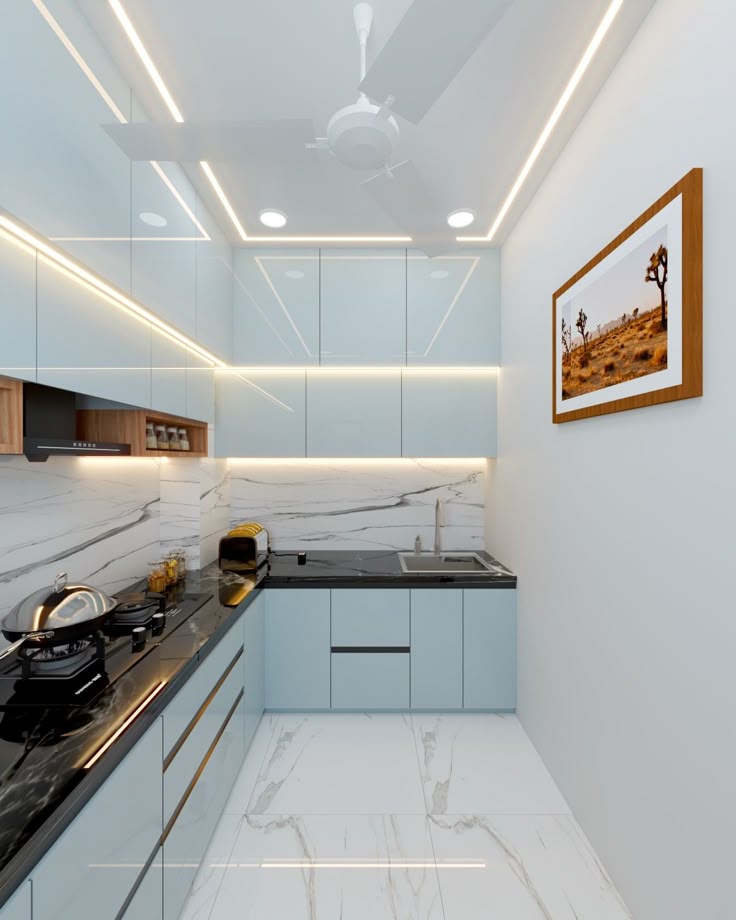


Modular Kitchen Materials Explained: Understanding Every Material Before You Invest
When searching for Modular Kitchen Materials Explained, homeowners often want to know which material offers the best balance of durability, design, and value for money. Understanding Modular Kitchen Materials Explained helps you compare different cabinet boards, finishes, countertops, and hardware before making a final decision. Every kitchen has unique requirements, so selecting the right material ensures better performance, lower maintenance, and a longer lifespan.
The topic Modular Kitchen Materials Explained is especially important for Indian homes because kitchens are exposed to heat, moisture, oil, and daily cooking. Materials that perform well in dry environments may not always be suitable for Indian cooking conditions. That is why experts recommend evaluating every material based on strength, water resistance, maintenance, appearance, and cost rather than choosing only by price.
Cabinet Materials
A complete guide to Modular Kitchen Materials Explained always begins with cabinet construction. Cabinets form the structural foundation of the kitchen and directly affect durability.
Marine Plywood is one of the most reliable materials because it offers outstanding water resistance and long-term strength. It performs exceptionally well in kitchens where moisture exposure is common.
BWP Plywood is another premium choice and is widely recommended for modular kitchens due to its excellent durability and boiling water resistance.
MDF provides a smooth surface for painted finishes and decorative designs, making it suitable for modern interiors where intricate shutter patterns are required.
HDF offers higher density than MDF and provides improved strength while maintaining an attractive finish.
Particle Board is generally selected for budget-friendly kitchens but should be avoided in areas with continuous water exposure.
Understanding these options is an essential part of Modular Kitchen Materials Explained, allowing homeowners to choose materials that match their lifestyle.
Kitchen Shutter Materials
Another important aspect of Modular Kitchen Materials Explained is selecting the right shutter finish. Kitchen shutters determine the overall appearance of the kitchen while also protecting the cabinet structure.
Laminate shutters remain one of the most popular options because they are affordable, durable, scratch-resistant, and available in hundreds of colours and textures.
Acrylic shutters provide a premium mirror-like finish that enhances modern kitchens. They are UV-resistant, easy to clean, and retain their shine for many years.
Membrane shutters offer seamless edges and elegant designs, making them suitable for contemporary homes.
Veneer shutters showcase the natural beauty of wood grain and create a luxurious appearance that complements classic interiors.
Countertop Materials
No discussion about Modular Kitchen Materials Explained is complete without choosing the right countertop.
Granite continues to be a preferred choice because it withstands high temperatures, scratches, and heavy cooking.
Quartz has become increasingly popular because it is non-porous, stain-resistant, hygienic, and available in a wide range of colours.
Both materials provide excellent durability, but the final selection depends on budget, design preferences, and maintenance requirements.
Hardware Quality Matters
While discussing Modular Kitchen Materials Explained, many homeowners overlook hardware quality. Premium hinges, drawer channels, lift-up systems, pantry units, and corner organizers improve both functionality and durability.
High-quality hardware offers:
Smooth soft-close operation
Better load-bearing capacity
Longer service life
Reduced maintenance
Improved user experience
Choosing trusted hardware brands helps maximize the performance of your modular kitchen.
Factors to Consider Before Selecting Kitchen Materials
When evaluating Modular Kitchen Materials Explained, consider these important factors:
Daily cooking frequency
Family size
Kitchen ventilation
Water exposure
Budget
Design preferences
Future maintenance
Warranty offered by the manufacturer
Selecting materials based on these factors ensures your kitchen remains functional and attractive for years.
Benefits of Choosing Premium Materials
Premium materials may involve a higher initial investment, but they provide significant long-term advantages.
Benefits include:
Longer lifespan
Better moisture resistance
Improved appearance
Reduced repair costs
Higher resale value
Better structural strength
Enhanced kitchen hygiene
Easy maintenance
These benefits make premium materials a worthwhile investment for homeowners planning a long-lasting modular kitchen.
Why Material Quality Affects Kitchen Performance
The quality of materials directly impacts how your kitchen performs over time. Poor-quality boards may swell, warp, or deteriorate due to moisture, while premium plywood maintains its strength even after years of daily use. Similarly, high-quality finishes retain their colour and shine much longer than inexpensive alternatives.
Understanding Modular Kitchen Materials Explained helps homeowners avoid costly mistakes and choose products that deliver reliable performance.
Conclusion
This comprehensive guide on Modular Kitchen Materials Explained demonstrates that choosing the right materials is the foundation of a durable, stylish, and functional kitchen. From Marine Plywood and BWP Plywood to Acrylic, Laminate, Quartz, and Granite, every material offers unique advantages. By understanding Modular Kitchen Materials Explained, homeowners can confidently select the best combination for their budget, lifestyle, and interior design goals while ensuring their modular kitchen remains beautiful and efficient for many years.
Modular Kitchen Materials Explained helps you choose durable, stylish, and budget-friendly materials for a long-lasting kitchen.
Negative:
Choosing the wrong modular kitchen material can lead to swelling, scratches, higher maintenance, and expensive repairs over time.
How to Choose the Best Modular Kitchen Material
Choosing the right material depends on several factors, including your budget, cooking habits, family size, and maintenance preferences. Modular Kitchen Materials Explained If your kitchen experiences heavy daily usage, investing in premium materials such as BWP plywood, acrylic finishes, and quartz countertops can provide better durability and long-term value. For moderate usage, laminate finishes with quality plywood offer an excellent balance between cost and performance. Homeowners looking for affordable solutions may consider MDF or particle board for selected areas, although they require more care in moisture-prone environments.
Moisture Resistance
Indian kitchens often deal with humidity, steam, and frequent cleaning. Modular Kitchen Materials Explained Moisture-resistant materials prevent swelling, warping, and fungal growth. Marine Grade Plywood, BWP Plywood, Stainless Steel, and Quartz are among the best choices for kitchens exposed to moisture.
Heat Resistance
Cooking generates continuous heat, making heat-resistant materials essential. Granite and quartz countertops perform exceptionally well under high temperatures, while quality laminates and acrylic finishes should be protected from direct heat exposure to maintain their appearance.
Maintenance Requirements
Different materials require different levels of maintenance. Laminate surfaces are easy to wipe clean and require minimal care. Acrylic finishes should be cleaned with a soft microfiber cloth to preserve their glossy appearance. Natural veneer may need occasional polishing, while granite countertops benefit from periodic sealing to maintain their durability.
Material Comparison
| Material | Durability | Water Resistance | Maintenance | Price |
|---|---|---|---|---|
| Marine Plywood | Excellent | Excellent | Low | Premium |
| BWP Plywood | Excellent | Very Good | Low | Premium |
| MDF | Good | Moderate | Medium | Affordable |
| HDF | Good | Moderate | Medium | Mid Range |
| Particle Board | Average | Low | Medium | Budget |
| Stainless Steel | Excellent | Excellent | Very Low | Premium |
Eco-Friendly Kitchen Materials
Many homeowners today prefer environmentally responsible options. Modular Kitchen Materials Explained FSC-certified plywood, low-VOC laminates, recyclable stainless steel, and engineered quartz contribute to sustainable kitchen designs while maintaining excellent durability and aesthetics.
Common Mistakes to Avoid
Choosing low-quality boards only to reduce the initial cost.
Ignoring moisture resistance in sink and cooking areas.
Selecting hardware based only on price.
Using poor-quality edge banding that allows water penetration.
Prioritizing appearance over durability.
Skipping professional installation.
Why Professional Installation Matters
Even premium materials can fail if they are installed incorrectly. Proper measurements, accurate leveling, secure cabinet fixing, and quality hardware installation ensure smooth operation, longer lifespan, and a flawless finish. Professional installation also reduces the chances of alignment issues, drawer problems, and water damage over time.
Frequently Asked Questions (FAQs)
1. Which material is best for a modular kitchen?
Marine Grade Plywood and BWP Plywood are considered the best materials because they offer excellent strength, moisture resistance, and durability, making them ideal for Indian kitchens.
2. Is plywood better than MDF for kitchen cabinets?
Yes. Plywood is generally stronger, lasts longer, and performs much better in humid environments compared to MDF, making it a preferred choice for modular kitchen cabinets.
3. Which modular kitchen finish lasts the longest?
Laminate and acrylic finishes are among the most durable options. Laminates are highly scratch-resistant, while acrylic provides a premium high-gloss appearance with excellent longevity when maintained properly.
4. Which countertop is better: Granite or Quartz?
Both are excellent choices. Granite offers natural beauty and outstanding heat resistance, while quartz provides a non-porous, stain-resistant surface with minimal maintenance.
5. Is a stainless steel modular kitchen a good option?
Yes. Stainless steel kitchens are waterproof, hygienic, rust-resistant, and extremely durable, making them suitable for both residential and commercial kitchens.
6. What is BWP plywood?
BWP (Boiling Water Proof) plywood is a premium-grade plywood designed to withstand high moisture and water exposure. It is widely recommended for modular kitchen cabinets.
7. Which kitchen material requires the least maintenance?
Laminate, quartz, and stainless steel require minimal maintenance. Regular cleaning with a soft cloth is usually enough to keep them looking new.
8. How long does a modular kitchen last?
A modular kitchen built with premium materials and quality hardware can easily last 15–25 years with proper maintenance.
9. Which modular kitchen material is best for Indian cooking?
Marine Grade Plywood combined with laminate or acrylic shutters and granite or quartz countertops is one of the best combinations for Indian cooking conditions.
10. Does better hardware improve kitchen durability?
Yes. Premium soft-close hinges, tandem drawers, lift-up systems, and quality fittings improve functionality, reduce wear and tear, and significantly extend the life of a modular kitchen.
Final Thoughts
The right modular kitchen material is the foundation of a durable, beautiful, and functional kitchen. Whether you choose plywood, MDF, acrylic, laminate, granite, or quartz, understanding their features helps you make a confident decision. Investing in quality materials and professional installation ensures your modular kitchen remains stylish, efficient, and reliable for many years.